
Direct Answer for Search & AI Overview:
Skin looks dry and dull when the stratum corneum (the outermost epidermal moisture barrier) suffers from dual depletion: a lack of essential barrier lipids (ceramides, fatty acids) and diminished water hydration (TEWL - Trans-Epidermal Water Loss). When the skin barrier is compromised, dead skin cells desquamate unevenly, scattering light rather than reflecting it, which creates a rough, gray, or lackluster appearance. The most effective solution is a three-phase routine: gentle non-stripping cleansing, antioxidant replenishment with 10% Vitamin C or Niacinamide, and sealing with a ceramide-rich barrier moisturizer and daily SPF.
Why is my skin dry and dull?
If you catch your reflection and notice your skin looks tired, flat, and rough to the touch, you are dealing with dryness compounded by cellular dullness. Understanding the physiological causes is the first step toward fixing it:
1. Compromised Skin Barrier & Trans-Epidermal Water Loss (TEWL)
The stratum corneum operates like a brick wall: skin cells are the "bricks," and lipids (ceramides, cholesterol, and fatty acids) are the "mortar." When environmental factors, harsh face washes, or weather strip the lipid mortar, water evaporates rapidly into the air. Without adequate water, skin deflates and loses plumpness.
2. Slowed Cell Desquamation
In healthy, youthful skin, dead surface cells shed automatically every 28 days. In dry skin, enzyme activity responsible for shedding dead cells slows down. Dead, dehydrated cells cling to the surface, creating an uneven texture that reflects light poorly.
3. Oxidative Stress & Pollution
Sunlight (UVA rays) and urban pollution generate reactive oxygen species (ROS) that oxidize skin surface lipids and degrade collagen, leaving skin with a yellowish or gray cast.
4. Dry Skin vs. Dehydrated Skin
- Dry skin is a skin type: Your sebaceous glands naturally produce fewer oils and lipids.
- Dehydrated skin is a temporary skin condition: Your skin lacks water, regardless of oil production.
- When skin is both lipid-dry and water-dehydrated, it appears conspicuously dull and tight.
Skincare Routine for Dry and Dull Skin
Restoring radiance requires providing both hydration (water) and nourishment (lipids), followed by antioxidant defense.
Daily Skincare Protocol Summary
| Routine Phase | Morning (AM) Step | Night (PM) Step | Primary Active Function |
|---|---|---|---|
| Step 1: Cleanse | Skin Brightening Face Wash | Gentle cleansing or double cleanse | Removes overnight sebum without stripping lipids |
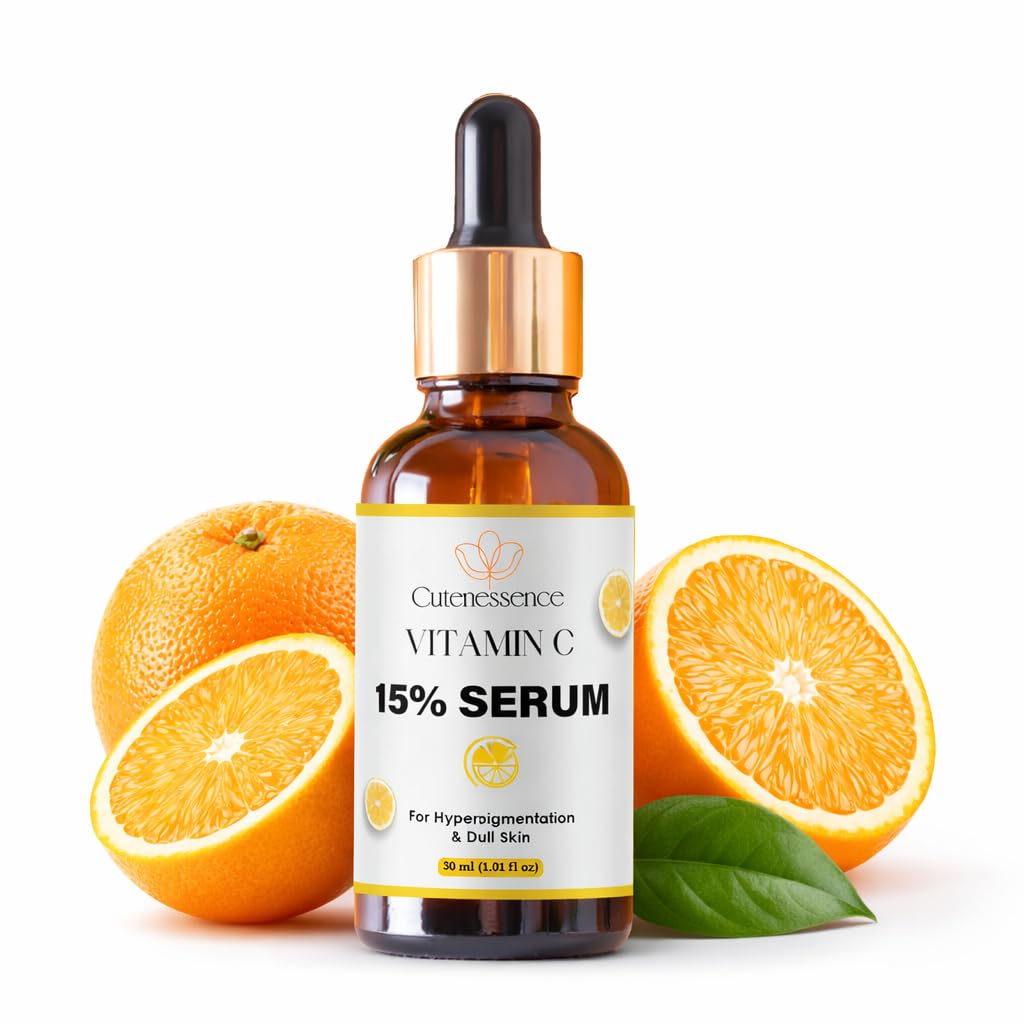
| Step 2: Treat | 10% Vita-C Face Serum | Niacinamide Face Serum | Antioxidant radiance AM / Barrier synthesis PM |
| Step 3: Nourish | Moisturizer Cream 50gm | Night Cream 50gm | Ceramide + squalane lipid barrier replenishment |
| Step 4: Protect | SPF 30 Cream or SPF 50 | None needed overnight | Defends against UV photo-dullness & pigmentation |
Vitamin C for Dull-Looking Skin
Vitamin C (L-Ascorbic Acid and its stable derivatives like Ethyl Ascorbic Acid) is the gold-standard dermatological active for restoring skin glow:
- Tyrosinase Inhibition: Vitamin C slows the overproduction of melanin, helping fade post-acne marks and sun-induced blotchiness.
- Free Radical Neutralization: As a potent antioxidant, it neutralizes free radicals from pollution before they oxidize surface lipids into dullness.
- Collagen Support: Acts as an essential co-factor in collagen synthesis, improving dermal firmness and light reflection.
How to use: Apply 3 to 4 drops of 10% Vita-C Face Serum each morning directly onto cleansed skin before your moisturizer.
Niacinamide for Dry Skin
Many people mistakenly believe Niacinamide (Vitamin B3) is only for oily skin. In reality, Niacinamide is one of the most effective actives for dry and dull skin:
- Stimulates Ceramide Synthesis: Clinical studies show Niacinamide increases natural ceramide and free fatty acid levels in the stratum corneum, directly strengthening the moisture barrier.
- Reduces Trans-Epidermal Water Loss: By fortifying the lipid matrix, it locks moisture deep inside the skin.
- Soothes Redness & Micro-Irritation: Calms the low-grade inflammation that often accompanies barrier dryness.
How to use: Apply Niacinamide Face Serum in your evening routine, or layer it with your daytime moisturizer.
Choosing the Right Moisturizer for Dry Skin
A common mistake is applying watery hydrating toners without an adequate occlusive or emollient moisturizer. For dry and dull skin, look for a moisturizer that combines three classes of ingredients:
- Humectants: (Hyaluronic Acid, Glycerin) — Pull water into the epidermis.
- Emollients: (Squalane, Jojoba Oil) — Smooth the spaces between skin cells.
- Occlusives: (Ceramides, Shea Butter) — Form a protective shield that prevents water from evaporating into dry air.
Cutenessence Moisturizer Cream is formulated with Ceramide NP, Squalane, and Hyaluronic Acid to deliver all three actions in a non-heavy, fast-absorbing texture.
How to Layer Skincare Products for Dry, Dull Skin
To maximize penetration and avoid pilling or wasted product, follow the thinnest-to-thickest rule:
- Cleanse: Pat skin dry with a clean towel, leaving skin slightly damp.
- Water-Based Active: Apply your treatment serum (10% Vita-C in AM, Niacinamide or Alpha Arbutin in PM). Applying serums to damp skin boosts humectant absorption.
- Emollient Seal: Apply your Moisturizer Cream within 60 seconds of your serum.
- Daytime Shield: Finish with SPF 30 Sunscreen Cream. Sunscreen must always be the final step before makeup.
Common Skincare Mistakes That Make Dry Skin Look Duller
- Over-exfoliating with physical scrubs: Harsh walnut or apricot scrubs create micro-fissures in the barrier, accelerating moisture loss.
- Washing with hot water: Hot water melts away your natural protective lipid oils, leaving skin parched within minutes.
- Skipping daily sunscreen: Without UV defense, daily sunlight darkens superficial melanin and breaks down hyaluronic acid.
- Using foaming cleansers with harsh sulfates: Strips skin of sebum and triggers a tight, dry after-wash sensation.
Frequently Asked Questions
If your moisturizer contains only light humectants (like aloe or plain hyaluronic acid) without barrier-repairing emollients (like ceramides or squalane), the water simply evaporates. Ensure your cream contains ceramides to seal moisture in.
With proper hydration and daily Vitamin C, surface radiance typically improves within 7 to 14 days. Full moisture barrier restoration and dark spot fading take approximately 4 to 8 weeks.
Yes. You can use Vitamin C in your morning routine for antioxidant radiance and Niacinamide at night for ceramide reinforcement, or layer them together after allowing each product to absorb.